How to Maintain Brand Visibility and Thrive as a Search Evolves
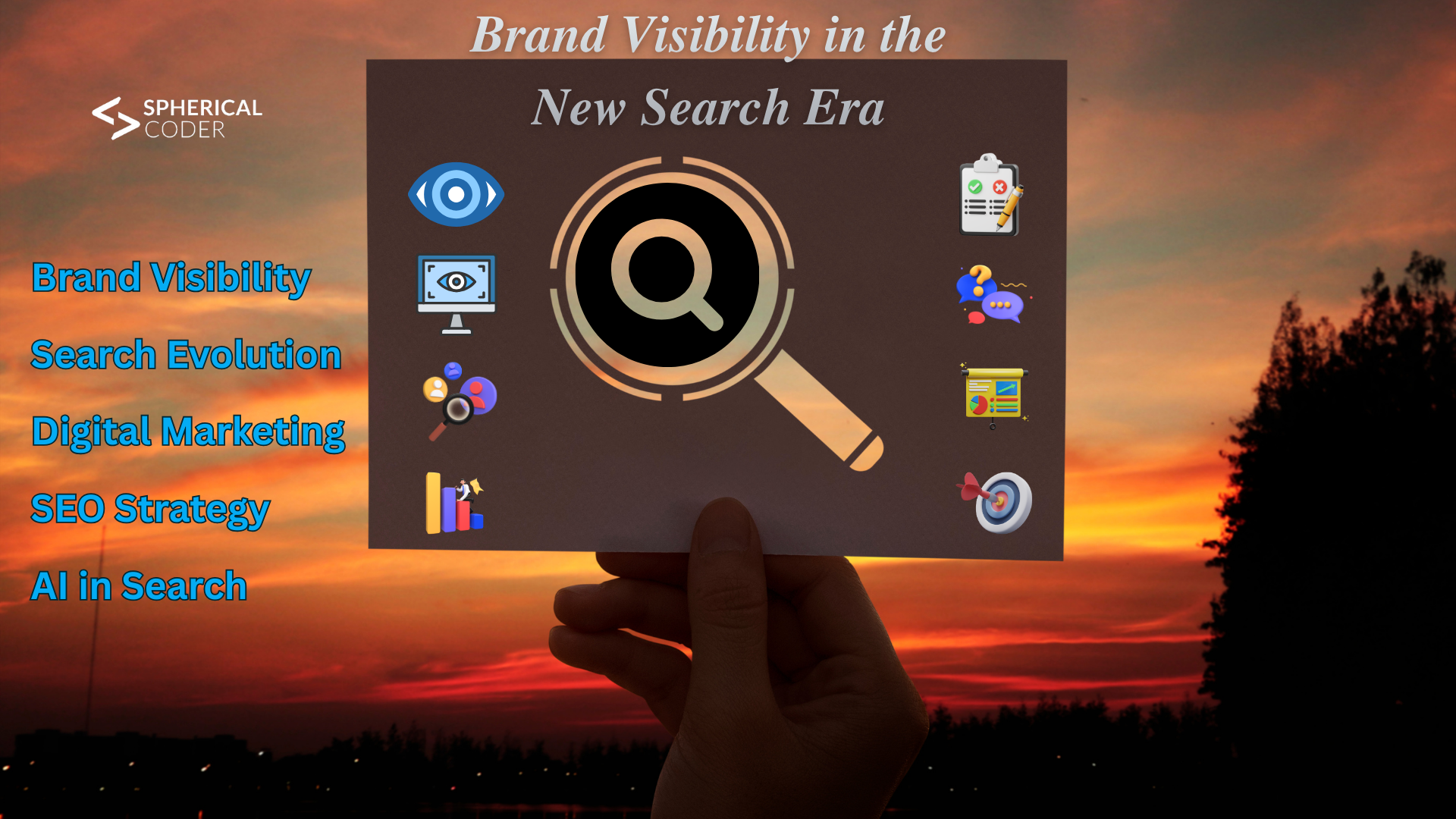
Brand visibility reflects how often and where customers see your brand across digital channels, boosting awareness, trust, and long-term sales growth.
How to Maintain Brand Visibility and Thrive as a Search Evolves
Brand visibility measures how well a brand is known and how often potential customers encounter it across various channels, such as search engines, social media, advertising, public relations or word-of-mouth.
High brand visibility means that a brand is easily recognizable, leading to increased awareness, customer trust, and, eventually, higher sales.
Consistent brand presence in search results isn’t just about being seen; it’s about being trusted.
When potential customers frequently see your brand mentioned, their trust and familiarity with you grow.
Consistent visibility leads to increased website traffic and engagement.
When your brand consistently appears in search results, users are more likely to visit your site. Higher traffic levels improve your chances of converting more visitors into customers.
Enhanced brand awareness also increases customer loyalty. People who recognize your brand are more inclined to return for repeat business. It’s about creating a memorable experience that keeps them coming back.
ChatGPT has built a strong user base in months and would likely continue to dominate as AI search gains popularity.
Major search engines and social media platforms are incorporating generative AI into the user experience.
Consumers can use new and existing platforms to interact with content in a more natural conversation style. They can ask questions, building on ideas, and getting answers without leaving the interface.
How brands maintain their visibility and control how their content is understood in the face of genAI :-
- Investing in great content
- Developing a content knowledge graph
- Having a growth mindset
These three pillars ensure that people and machines understand your brand and content, ensuring the team thrives in this new world of genAI search.
Investing in Great Content
Google are heavily focusing on “helpful, reliable, people-first content”, which means creating helpful, reliable content that primarily emphasize audience’s demands and not the search engines.
It is a big shift from the old way of developing website content for search engines.
Your content answering questions helps in making decisions, points people in the right direction, and delights them.
Thus, content should aim to give your audience a thorough response to their inquiries, address any further information they might require, and showcase your brand’s first-hand knowledge or experience on the topic.
Further, brands must thrive in the new age of AI. This requires your team to take the time to understand your audience and their changing needs, find gaps in your current content strategy, and iterate on existing content to continue delighting your audience.
Also ensures that search engines, AI, and other machines can easily understand your content and infer answers from your data.
Implement advanced schema markup on your site to develop a content knowledge graph.
Organizations adopting schema markup at scale often see a boost in non-branded search queries, signalling broader topic authority and improved discoverability. It has also become a powerful answer to a pressing executive question: “What are we doing about generative AI?” One smart answer is, “We’re implementing schema markup.”
- Developing a Content Knowledge Graph
Many digital marketing organizations have invested in building content knowledge graphs for their web data by implementing advanced schema markup (aka structured data).
A knowledge graph is a collection of relationships between entities defined using a standardised vocabulary, from which new knowledge can be inferred.
It is a reusable semantic data layer that enables accurate inferencing and supports LLMs. Content is fully understood in context.
The benefit of building a content knowledge graph lies in providing an accurate semantic data layer to both search engines and AI to understand your brand and the content on your website fully.
By defining the relationships between things on the website, you give them what they need to get accurate, clear answers.
In fact, Google and Microsoft have been using knowledge graphs to generate knowledge panels and infer answers in search since 2010.
Having a Growth Mindset
Teams that want to thrive must keep their learning hats on at all times and be ready to adapt and embrace innovation.
Silos within organizations must be busted.
Suppose we consider two capabilities: schema markup and content knowledge graphs. Their success depends on the cross-functional work across marketing, SEO, IT, digital, and support. Together, these teams would need to try something new, measuring what they can, see if it drives the business’s desired outcomes, and then iterate on what they’ve learned.
Organizations that fully embrace the growth mindset also see greater collaboration and innovation.
Conclusion
With the continuous evolution of AI and search, investing in content and developing a content knowledge graph helps in controlling how AI and search engines understand your brand and content.
Fostering collaboration and innovation within your team is the key to thriving in this ever-changing world of AI and search.
No matter how search, content, or AI change, you’ll be prepared if your team adopts a growth mentality