The 4Ps of Marketing in Marketing Strategy
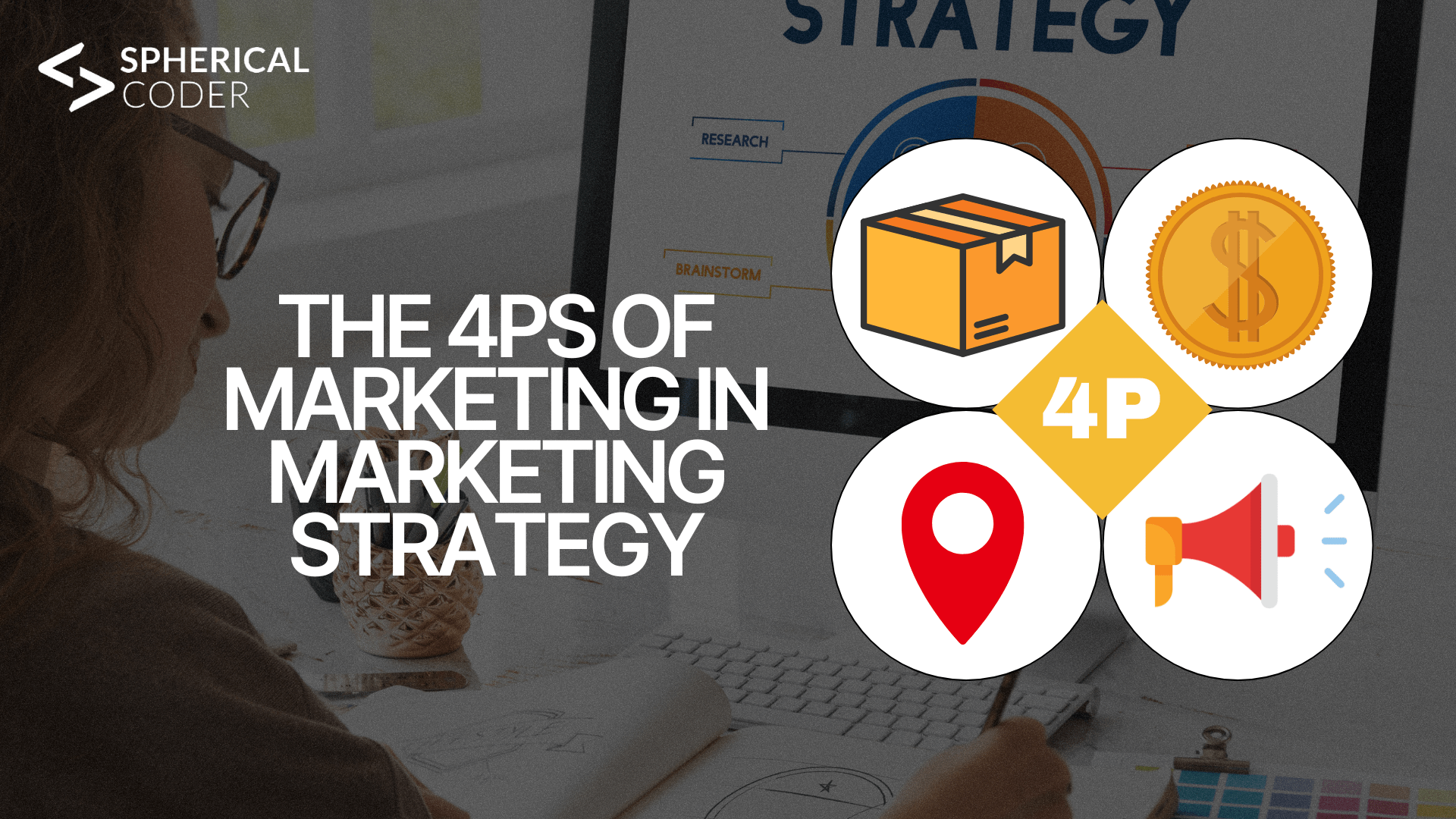
The four Ps of marketing—product, price, place, and promotion—form a strategic framework for successfully bringing products and services to market.
The 4Ps of Marketing in Marketing Strategy
The four Ps of marketing describe the key decisions businesses make to bring a product to market: what they offer (product), what they charge (price), where it’s available (place), and how they promote it (promotion). The four Ps, sometimes referred to as a marketing mix, form a framework businesses use to bring a product or service to market successfully.
Considering each of these principles in the context of e-commerce and paid media.
Product
A product is what a company offers to its customers. It can include an idea, a service, or a physical or digital item.
Creating a marketing campaign starts with an understanding of the product. It includes:
- Who needs it and why
- What does it do that no competitors’ product can do
The marketer’s job is to define the product and its qualities and introduce it to the consumer. Marketers need to understand the life cycle of a product, and business executives need to have aplan for dealing with products at every stage of that life cycle.
In every business, your product is fundamental to ecommerce success.
Pricing
Price refers to the amount that consumers will be willing to pay for a product. Marketers must link the price point to the product’s real and perceived value, and also consider supply costs, seasonal discounts, competitors’ prices, and retail markup.
Price determines the brand’s position in the market, including its target audience, marketing strategy, brand perception, and market share. E-commerce businesses should carefully study market conditions to determine price points that are fair, competitive, and profitable to the business.
For instance,
UNIQLO, headquartered in Japan, is a global manufacturer of casual wear. Like its competitors Gap and Zara, UNIQLO creates low-priced, fashion-forward garments for younger buyers. UNIQLO also outsources its production to partner factories, giving it the flexibility to change production partners as its needs change.
Place
Place is the consideration of where the product should be available, in brick-and-mortar stores and online, and how it would be displayed. For example, the makers of a luxury cosmetic product would want to be displayed in Sephora and Neiman Marcus, and not in Walmart or Family Dollar, as the goal of business executives is always to get their products in front of the consumers who are the most likely to buy them.
In advertising, placing the product in the right media gets the attention of its target audience of consumers. Placing a product only in certain stores and getting it displayed to the best advantage.
Although it can be challenging to launch an e-commerce business, digital advertising enables brands to get around the constraints of traditional distribution for those who can finance the initial product-market fit. When you can sell and distribute directly to customers, geography and access to specific distributors become meaningless.
However, this also presents several new challenges, including platform management, media mix, performance measurement, and attribution measurement.
Promotion
Communication about the product to consumers is the goal of promotion. Marketers tend to tie together promotion and placement elements to reach their core audiences. Advertising, public relations, and the overall media strategy are considered for introducing a product.
Account management. Decisions like which campaign types to run, how to structure your ad account, running good ad copy and creatives, and using audiences and first-party data for targeting the right people affect revenue and margin.
Customer Journey. Considering things happening before and after the ad click
Trust. Including reviews that play a crucial role in showing why people should trust you. For proving the value of your product with certifications and ratings, use reviews for sealing buyer confidence. In short, your social proof should reflect your target audience, so they feel like others like them have benefited from your product.
Security validation and third-party payments logos. This includes PayPal and Apple Pay as go a long way, establishing that you are a real business with good intentions.
How to Use the 4 Ps of Marketing in Your Marketing Strategy
The four Ps provide a framework on which to build your marketing strategy.
- Firstly, analyze the product that you would be marketing. what are the characteristics making it appealing?
- Consider similar products that are already on the market.
- Identify the qualities that will make it appealing to your target consumers.
- Think through the appropriate price for the product. Positioning it as a premium or luxury product or as a bare-bones, lower-priced alternative.
- identifying the type of store, online and off, that stocks products like yours for consumers like yours.
Example of the Four Ps of Marketing
Consider a fictional skincare company that produces organic skincare products
- Product: The company offers a range of organic skincare products, including cleansers, moisturizers, and serums.
- Price: The pricing strategy for these skincare products is positioned as premium, which signifies that the products has high quality of ingredients, considering the company’s commitment to sustainability and ethical sourcing.
- Place: Products sold through multiple channels, including the company's website, select retail stores specializing in organic products, and high-end spas and salons.
- Promotion: This includes social media campaigns, influencer partnerships, and educational content.